
 Español
 Portugues
 Pусский
 Français
 Deutsch
 日本語
日本語 한국어
한국어 العربية
 Italiano
 Polski
 Türk dili
 Melayu
 中文
中文 қазақ
қазақ עִברִית
 українська
 norsk
norsk o'zbek
 ଓଡିଆ
ଓଡିଆ

Wear-Resistant GFRC Limestone Effect Panels: A Sustainable Solution for Modern Architecture
In the ever-evolving field of architecture and construction, finding materials that blend both aesthetics and functionality is crucial. Wear-resistant GFRC limestone effect panels have emerged as a top choice for architects and urban planners looking to combine the beauty of natural stone with the durability and flexibility of modern materials. These panels offer the timeless look of limestone while providing enhanced performance in terms of wear resistance, longevity, and ease of installation. This article will explore the market demand for these panels, the core technology behind them, key materials and manufacturing processes, performance characteristics, and their role in current and future architectural trends.
Industry Background and Market Demand
As urbanization continues to grow, there is an increasing demand for building materials that are both durable and visually appealing. Wear-resistant GFRC limestone effect panels have gained traction in recent years due to their ability to provide the aesthetic qualities of natural limestone while offering significant performance advantages over traditional materials. Urban areas, where buildings are subject to constant exposure to the elements, require materials that can withstand environmental stress while maintaining their visual integrity over time.
The market for GFRC (Glass Fiber Reinforced Concrete) products has expanded due to the construction industry’s shift toward lightweight, sustainable, and cost-effective building solutions. Additionally, the growing demand for low-maintenance and environmentally friendly materials in architecture has further driven the adoption of GFRC limestone effect panels. These panels provide a perfect combination of beauty and practicality, making them an ideal choice for a wide range of applications, including facades, cladding, landscaping, and decorative architectural features.
Core Concepts and Key Technologies
What is GFRC?
Glass Fiber Reinforced Concrete (GFRC) is a composite material made by combining traditional concrete with glass fibers. These fibers significantly enhance the tensile strength of the concrete, allowing for thinner, lighter panels that retain strength and durability. GFRC is known for its ability to resist cracking, weathering, and wear, making it an excellent choice for outdoor and exposed applications.
The GFRC limestone effect refers to the appearance of the finished panels. These panels are designed to mimic the natural appearance of limestone, including its texture, color variations, and surface patterns. This is achieved by adding specialized pigments and using advanced texturing techniques to recreate the natural aesthetics of limestone while maintaining the benefits of GFRC.
The Key Advantage: Wear Resistance
One of the primary benefits of wear-resistant GFRC limestone effect panels is their durability. Limestone, while beautiful, is prone to weathering, staining, and wear over time, especially in harsh urban environments. By contrast, GFRC limestone effect panels offer superior wear resistance, ensuring that they maintain their appearance and structural integrity for much longer than traditional limestone or other natural stones.
GFRC’s enhanced resistance to environmental factors such as UV exposure, moisture, and pollution makes it an ideal choice for buildings and structures exposed to the elements. The panels' ability to resist abrasion and maintain their finish even under heavy use or traffic makes them suitable for both high-traffic urban areas and architectural landmarks.
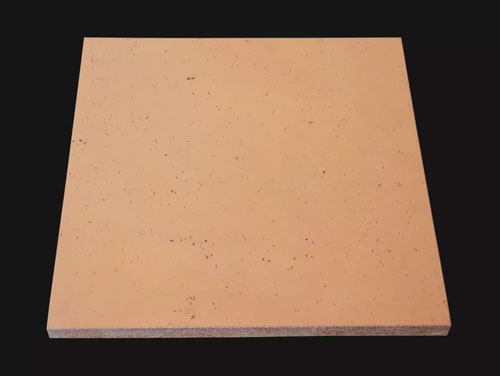
Product Structure, Performance, Materials, and Manufacturing Process
Materials Used in Wear-Resistant GFRC Limestone Effect Panels
The primary materials used in the manufacturing of wear-resistant GFRC limestone effect panels are:
Cement: Forms the base of the concrete mix and serves as the binding agent for the aggregates and fibers.
Fine Aggregates: Sand or crushed stone that gives structure to the panels.
Glass Fibers: The addition of glass fibers significantly strengthens the concrete, making the panels lightweight yet durable and resistant to cracking.
Pigments and Surface Finishes: To replicate the appearance of limestone, a variety of pigments, stains, and texturing agents are used. These materials are specifically chosen to imitate the natural color variations, veins, and textures found in limestone.
Protective Coatings: In some cases, protective coatings or sealants are applied to the panels to enhance their resistance to staining, pollution, and weathering.
Manufacturing Process
The production of wear-resistant GFRC limestone effect panels involves several key steps to ensure the final product's durability and aesthetic appeal:
Mixing: The ingredients—cement, aggregates, glass fibers, and water—are combined to create a consistent mix. The glass fibers are carefully incorporated to maintain the mix’s strength and integrity.
Molding: The GFRC mix is poured into molds designed to replicate the texture and shape of natural limestone. These molds can be customized to create different surface patterns, veins, and finishes that mimic the characteristics of limestone.
Curing: The panels are then cured in a controlled environment to ensure they reach optimal strength. Proper curing ensures that the concrete hardens correctly, providing long-term durability.
Finishing: After curing, the panels are subjected to surface treatments such as sandblasting, polishing, or staining to enhance the limestone effect. Textures that resemble natural stone patterns are also applied during this phase.
Protective Coating: A protective sealant is sometimes applied to the surface to ensure the panels resist weathering, pollution, and staining over time.
Performance Characteristics
Wear-resistant GFRC limestone effect panels are designed to offer the following benefits:
Durability: The GFRC panels are highly resistant to wear, UV radiation, moisture, and environmental pollutants, making them suitable for both interior and exterior applications.
Aesthetic Flexibility: The panels can be custom-designed to replicate various types of limestone, including classic beige, gray, and variegated stone finishes.
Lightweight: GFRC panels are significantly lighter than traditional limestone, which reduces transportation costs and makes installation easier.
Low Maintenance: Unlike natural limestone, GFRC panels require minimal maintenance. The protective coatings and durable surface finishes help keep the panels looking pristine with little effort.
Cost-Effective: GFRC limestone effect panels offer a cost-effective alternative to natural stone, both in terms of initial costs and long-term maintenance.
Key Factors Influencing Quality and Performance
Several factors influence the performance and quality of wear-resistant GFRC limestone effect panels:
Material Quality: The quality of the cement, aggregates, and glass fibers directly affects the strength and durability of the final product. High-quality materials ensure that the panels perform well over time.
Surface Treatment: The process used to apply pigments, textures, and protective coatings plays a crucial role in achieving a realistic limestone effect and ensuring the long-term performance of the panels.
Manufacturing Consistency: Consistency in the molding and curing process is key to producing panels that meet the required strength, aesthetic, and durability standards.
Environmental Conditions: The specific environmental conditions in which the panels are installed will affect their performance. While GFRC is designed for outdoor use, factors like pollution, moisture, and UV exposure will influence how well the panels maintain their appearance.
Supplier Selection and Supply Chain Considerations
When selecting a supplier for wear-resistant GFRC limestone effect panels, it is important to consider:
Experience: Choose a supplier with a proven track record in producing high-quality GFRC products, particularly those designed for urban landscaping or exterior applications.
Customization Options: Ensure that the supplier can provide panels that meet your specific design requirements, including color, texture, and size.
Quality Control: The supplier should have a robust quality control process to ensure the panels meet the required specifications for strength, durability, and finish.
Logistics: Timely delivery and the ability to meet project deadlines are critical in construction projects. Choose a supplier with reliable lead times and delivery schedules.
Common Industry Challenges and Pain Points
Some common challenges in using wear-resistant GFRC limestone effect panels include:
Initial Costs: While GFRC limestone effect panels are cost-effective compared to natural stone, the initial price may still be higher than other materials. However, the long-term durability and low maintenance requirements often offset these costs.
Installation Complexity: While lighter than traditional limestone, GFRC panels still require proper installation techniques to ensure that they are securely mounted and aligned, especially when used in large-scale projects.
Weathering Over Time: Despite their high wear resistance, GFRC panels may still experience gradual weathering, especially in areas with high pollution or extreme weather conditions. Regular cleaning and maintenance are necessary to maintain their appearance.
Application Scenarios and Use Cases
Wear-resistant GFRC limestone effect panels are ideal for various applications in modern construction and urban design:
Building Facades: These panels are commonly used for exterior facades, offering an attractive, low-maintenance alternative to natural stone.
Public Spaces: The panels are used in public areas such as parks, plazas, and streetscapes, providing both durability and aesthetic appeal.
Landscaping: GFRC limestone effect panels can be used for hardscaping elements like retaining walls, garden walls, and decorative features.
Architectural Features: The versatility of these panels makes them ideal for creating architectural details like columns, arches, and window surrounds.
Current Trends and Future Directions
As the demand for sustainable, cost-effective, and visually striking materials continues to grow, wear-resistant GFRC limestone effect panels are likely to see even greater adoption. Future trends may include:
Increased Customization: Advances in digital fabrication and 3D modeling may enable even more customized designs for GFRC panels, offering architects more flexibility in creating unique looks.
Sustainability: With the growing focus on sustainability, GFRC panels made from recycled materials and eco-friendly fibers may become more prevalent.
Smart Technologies: Incorporating sensors or self-cleaning coatings into GFRC panels may enhance their functionality, allowing for real-time monitoring of environmental conditions or automated maintenance.
Conclusion
Wear-resistant GFRC limestone effect panels offer an innovative and durable solution for modern construction and urban landscaping. By combining the aesthetic beauty of natural limestone with the performance advantages of GFRC, these panels provide a cost-effective, sustainable, and visually appealing option for a wide range of architectural applications. With their growing popularity and the continued advancements in manufacturing technologies, wear-resistant GFRC limestone effect panels are set to play a pivotal role in the future of urban development.



 Phone
Phone