
Using patented molding technology, we engineer millimeter-precise three-dimensional textures into UHPC surfaces—from rugged volcanic rock and handcrafted ceramic impressions to futuristic parametric reliefs. Every contour undergoes structural validation, ensuring artistic expression never compromises durability.
Tactile Innovation : Adjustable relief depth (0.2-15mm) for anti-slip functionality (static friction coefficient μ≥0.6) or pure artistic statement
Dual-Stage Craftsmanship : CNC-carved master molds → silicone transfers for edge fidelity → UHPC casting
Light Play Architect : Dynamic shadow patterns evolve with solar angles, giving facades a fourth dimension
Self-Cleaning : Open-texture design promotes rainwater runoff (60% less cleaning vs. smooth surfaces)
▸ Panel thickness: 8-50mm
▸ Texture accuracy: ±0.5mm tolerance
▸ Flexural strength: ≥18MPa (with deep textures)
▸ Weathering: Zero spalling after 300 freeze-thaw cycles
◈ Architectural cladding: Weightless alternative to dimensional stone
◈ Feature walls: Backlight-ready for dramatic shadow casting
◈ Urban furniture: Integrated anti-slip seating with wayfinding textures
Texture sourcing: 3D-scanned artifacts (heritage bricks/bark/fossils) or digital models
Functional hybrids: Texture grooves embedding snow-melt tubing or acoustic wool
Color interventions: Gradient dyes/metallic coatings (enhancing depth perception)
UHPC Rough Finish Panels: Complete Technical Guide
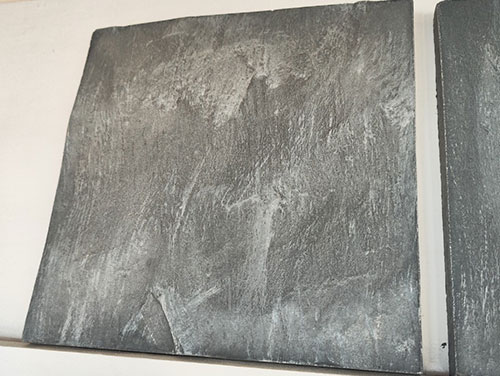
Ultra-High Performance Concrete (UHPC) Rough Finish Panels have become a popular choice in modern architecture due to their exceptional durability, aesthetic versatility, and structural strength. Designed for exterior walls, cladding, and façade applications, these panels provide a textured, natural appearance while delivering superior mechanical performance. This guide provides comprehensive information on usage methods, fault analysis, product performance, and technical support for UHPC Rough Finish Panels.
UHPC Rough Finish Panels are manufactured using ultra-fine cementitious materials, high-strength fibers, and chemical admixtures. These components create panels with:
High compressive and flexural strength for load-bearing and exterior wall applications
Enhanced durability against environmental stresses such as weathering, abrasion, and impact
Textured surfaces for unique architectural aesthetics
Low maintenance requirements and long service life
These panels are suitable for commercial buildings, residential projects, and public infrastructure, offering architects and engineers flexible design options.
The performance characteristics of UHPC Rough Finish Panels are carefully engineered to meet international construction standards.
| Property | Typical Value | Standard |
|---|---|---|
| Compressive Strength | ≥150 MPa | ASTM C39 / EN 12390-3 |
| Flexural Strength | 25–40 MPa | ASTM C78 / EN 12390-5 |
| Density | 2200–2400 kg/m³ | ASTM C138 |
| Impact Resistance | High | ASTM E23 |
| Abrasion Resistance | Excellent | ASTM C944 |
| Water Absorption | <2% | ASTM C642 |
Thermal Conductivity: 0.8–1.0 W/m·K, improving building insulation
Fire Resistance: Class A1, non-combustible
Freeze-Thaw Durability: Resistant to repeated freeze-thaw cycles
UV Resistance: Maintains color and texture in outdoor environments
Provides a natural, textured façade suitable for modern architecture
Masks minor surface imperfections
Enhances visual depth and shadows for dynamic aesthetics
Ensure the structural substrate is clean, dry, and free from debris.
Confirm that the substrate can support the panel weight.
Apply a bonding agent or primer if required to improve adhesion.
Panel Handling
Use suction lifters, cranes, or hoists to prevent damage
Avoid dragging panels across surfaces
Positioning and Fixing
Align panels according to architectural plans
Use stainless steel anchors, brackets, or concealed fixing systems
Maintain consistent joint gaps for thermal expansion
Sealing and Finishing
Apply silicone or polyurethane sealants in joints
Check panels for surface defects before completion
UHPC panels are pre-cured; avoid water accumulation during installation
Ensure adequate ventilation in humid environments
Avoid installation in heavy rain or extreme temperatures
Although UHPC Rough Finish Panels are highly durable, improper handling or installation can cause faults. Common issues and solutions include:
| Fault | Possible Cause | Solution |
|---|---|---|
| Surface Cracking | Excessive impact, improper handling | Use protective packaging, follow handling guidelines |
| Joint Leakage | Poor sealant application, uneven panel alignment | Reapply high-quality sealants, adjust alignment |
| Color Variation | Inconsistent curing or environmental exposure | Use standardized curing conditions and batch control |
| Edge Chipping | Mechanical damage during transport | Use padded supports and mechanical lifts |
| Panel Deformation | Uneven substrate, excessive load | Ensure proper substrate support and anchoring |
Regular inspections and proactive maintenance are key to minimizing long-term issues.
Annual Inspection: Check panels, joints, and anchors
Cleaning: Use neutral pH detergents; avoid abrasive or acidic cleaners
Sealant Replacement: Replace damaged or aged sealant immediately
Documentation: Maintain maintenance records to support warranty claims
Design Assistance: Recommendations for panel sizes, thickness, and textures
Installation Guidance: On-site supervision and detailed installation manuals
Quality Assurance: Testing protocols, certifications, and compliance with ASTM/EN standards
After-Sales Service: Assistance with repairs, replacements, and lifecycle management
UHPC Rough Finish Panels are suitable for a wide range of architectural applications:
Commercial Buildings: Office towers, shopping malls, hotels
Residential Projects: High-rise apartments, luxury villas
Public Infrastructure: Airports, museums, stadiums
Urban Renovation: Façade upgrades with aesthetic enhancement
Example Panel Specifications:
| Application | Panel Size | Thickness | Notable Feature |
|---|---|---|---|
| Office Tower | 3m x 1.2m | 30–50 mm | Lightweight façade with thermal efficiency |
| Museum | 2.5m x 1m | 25–40 mm | Textured finish for visual depth |
| Residential | 2m x 1m | 20–30 mm | Slim profile reduces structural load |
Always verify panel dimensions and flatness before installation
Avoid dropping or dragging panels
Maintain consistent joint widths to accommodate thermal movement
Use high-quality anchors and fasteners to ensure long-term stability
Inspect sealant integrity periodically
UHPC Rough Finish Panels contribute to green building initiatives:
Reduced material usage due to slim, high-strength panels
Long lifespan minimizes replacement and waste
Low porosity reduces water ingress and thermal loss
Panels can be recycled at end of life, supporting circular construction
Compliance with standards such as ISO 14001, LEED, and EN 15804 ensures environmentally responsible production and application.
UHPC Rough Finish Panels offer a unique combination of durability, aesthetic flexibility, and structural performance. With proper installation, maintenance, and adherence to technical standards, these panels provide architects, engineers, and builders with reliable, energy-efficient, and visually appealing solutions for modern façades. Their rough texture enhances building aesthetics while maintaining superior mechanical and environmental performance, making them a preferred choice for both commercial and residential projects worldwide.
This website uses cookies to ensure you get the best experience on our website.

 Español
 Portugues
 Pусский
 Français
 Deutsch
 日本語
日本語 한국어
한국어 العربية
 Italiano
 Polski
 Türk dili
 Melayu
 中文
中文 қазақ
қазақ עִברִית
 українська
 norsk
norsk o'zbek
 ଓଡିଆ
ଓଡିଆ



 Phone
Phone