
GRC acid washing effect: Artistic beauty in the midst of roughness
In the interweaving of industrial style and natural aesthetics, the GRC acid-washed effect products redefine the expression mode of space with their unique surface texture and rough texture. It is not merely decoration but also an exploration of the original strength and modern refinement. Every detail is filled with tension and story-telling power.
GRC acid pickling effect products, achieving a perfect balance between roughness and delicacy:
Natural Impressions, Industrial Soul: The pickling process endows the surface with a unique rough texture, as if it has been polished by time, showcasing the power of nature and the toughness of industry, infusing the space with an original charm.
Smooth and Delicate Touch, Artistic Expression: Despite the rough surface, the touch is soft and delicate, creating a strong contrast, allowing the space to feel the artistic layering both visually and tactilely.
Solid and Practical at the Same Time: GRC material is lightweight and high-strength. The pickled surface is anti-slip and wear-resistant, suitable for high-traffic areas while maintaining a unique appearance. It combines practicality and aesthetics.
Environmentally Friendly Choice, Sustainable Aesthetics: Made from environmentally friendly materials, it reduces the consumption of natural resources, perfectly combining the rough beauty with the concept of environmental protection.
Diverse Applications, Creative Stage: From industrial-style restaurants to modern office spaces, from art exhibition halls to public buildings, GRC acid pickling effect products provide designers with unlimited inspiration, making every space a unique work of art.
GRC Acid Pickling Effect Products are applicable to:
Commercial spaces that pursue industrial style and natural aesthetics
Individualized residences and public buildings
Cultural spaces such as art galleries and exhibition halls
Choose GRC acid-washed effect products to let the roughness and delicacy collide and spark artistic brilliance in the space!
To explore more possibilities, please contact us to obtain the exclusive design plan.
Impact-Resistant GFRC Acid-Washed Effect Architectural Wall Panels: A Comprehensive Analysis
In the evolving world of architecture and construction, building materials that combine both aesthetic value and structural integrity are of increasing demand. Among these materials, Glass Fiber Reinforced Concrete (GFRC) has gained notable attention, particularly for its application in exterior wall panels. These panels offer a unique combination of durability, versatility, and aesthetic appeal, making them a popular choice for both residential and commercial buildings. In particular, impact-resistant GFRC acid-washed effect architectural wall panels have become a sought-after solution due to their ability to withstand harsh environments while maintaining an appealing, textured finish. This article explores the market demand, core technology, performance, and future prospects of these innovative building materials.
The global construction industry is seeing a growing demand for advanced building materials that meet the needs of both sustainability and durability. As cities expand and the need for high-quality construction materials intensifies, the focus has shifted to products that offer a balance of structural resilience and aesthetic appeal. Building facades, in particular, are a critical element in architectural design, often serving as the first point of contact between a structure and its environment. With increasing urbanization, there is a heightened demand for materials that can withstand the challenges of harsh weather conditions, environmental degradation, and human impact.
Glass Fiber Reinforced Concrete (GFRC) has emerged as a material of choice due to its high-performance characteristics. GFRC is increasingly being used in both traditional and modern architectural projects, where designers seek lightweight, durable, and cost-effective solutions. The introduction of acid-washed finishes to GFRC panels has further expanded their appeal, offering a more refined and visually striking option compared to standard concrete.
Glass Fiber Reinforced Concrete (GFRC) is a composite material made by incorporating alkali-resistant glass fibers into a mix of cement, sand, and water. This innovative combination results in a lightweight, high-strength material with excellent durability and flexibility. GFRC is particularly suited for architectural applications because it allows for thin, large-format panels that are both strong and relatively easy to handle compared to traditional concrete.
The acid-washed effect is a finishing technique applied to GFRC panels to achieve a unique, textured surface. In this process, a mild acid solution is applied to the concrete's surface to dissolve some of the matrix, leaving behind a rough, porous texture that highlights the aggregates and gives the material a natural, weathered look. This finish not only adds visual depth and complexity but also enhances the material's resistance to weathering and abrasion, making it ideal for external cladding.
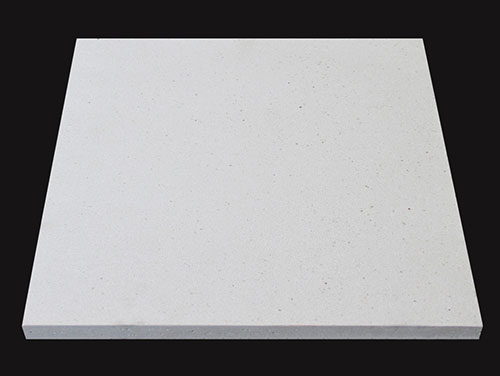
The structure of impact-resistant GFRC acid-washed effect wall panels generally consists of two main layers:
The base layer: This is made up of a mixture of cement, fine aggregates, and glass fibers. The glass fibers contribute to the panel’s strength, crack resistance, and overall durability.
The surface layer: This is where the acid-washed effect is applied. After the initial curing, the surface is treated with an acid solution to achieve the desired finish, which provides both a textured aesthetic and an additional layer of resistance.
The performance characteristics of these panels are particularly notable for their:
Impact resistance: GFRC panels are inherently strong and resistant to impact damage. The glass fibers within the concrete enhance its tensile strength, making it less likely to crack or break upon impact.
Weather resistance: The acid-washed finish, combined with the inherent properties of GFRC, makes these panels highly resistant to UV radiation, moisture, and extreme temperatures. This resistance extends their lifespan, particularly in harsh weather environments.
Aesthetic appeal: The acid-washed finish offers a visually pleasing, natural appearance, giving buildings an elegant, timeless facade that can be further customized based on design requirements.
The manufacturing process for GFRC panels typically begins with mixing the raw materials, including cement, fine aggregates, and glass fibers. The mixture is poured into molds, which are then vibrated to ensure uniform distribution of the fibers. After curing, the panels undergo the acid-washing process to achieve the desired surface finish. The panels are then inspected for quality control before being transported for installation.
Several factors impact the performance and quality of GFRC acid-washed effect panels, including:
Material quality: The selection of high-quality glass fibers and aggregates is crucial for ensuring the strength and durability of the panels. Poor-quality materials can lead to issues such as cracking or premature weathering.
Acid-washing process: The consistency and precision of the acid-washing process directly affect the final appearance and durability of the panels. Over-application or under-application of acid can lead to uneven finishes and reduced resistance to environmental wear.
Manufacturing precision: Ensuring the panels are manufactured to precise specifications is essential for their performance. Any deviation from the intended thickness, texture, or finish can compromise the panel's structural integrity and aesthetic appeal.
Curing conditions: Proper curing of GFRC panels is necessary to develop their full strength. Panels that are not cured properly may be weaker and more prone to cracking under stress or impact.
When selecting a supplier for impact-resistant GFRC acid-washed effect panels, several factors should be considered:
Material sourcing: Ensure the supplier uses high-quality raw materials that meet industry standards for strength and durability.
Customization capabilities: Suppliers should be able to provide customized solutions based on size, finish, and other design specifications to meet the unique needs of the project.
Quality control: Reliable suppliers should have robust quality control processes in place to ensure the consistency and performance of their products.
Experience and reputation: A supplier with a proven track record in producing high-quality GFRC panels and a good reputation within the industry is more likely to deliver satisfactory results.
Timely delivery: Efficient logistics and reliable delivery timelines are crucial to ensure that construction schedules are met without delays.
Despite the many advantages of GFRC panels, there are some challenges and common pain points in the industry:
Cost considerations: While GFRC is generally less expensive than natural stone or other high-end materials, the acid-washed effect and custom finishes can drive up costs. This may make it less attractive for budget-conscious projects.
Installation complexity: Although GFRC panels are lightweight, the acid-washed finish can make the installation process more challenging. Special care must be taken to handle and install the panels to avoid damage to the surface.
Maintenance needs: While GFRC panels are low maintenance, the acid-washed finish may require periodic cleaning to maintain its aesthetic appeal, especially in areas with heavy pollution or extreme weather conditions.
Impact-resistant GFRC acid-washed effect wall panels are highly versatile and can be used in a variety of architectural applications:
Commercial buildings: These panels are ideal for use in the facades of office buildings, retail stores, and public spaces. Their durability and aesthetic appeal make them a great choice for high-traffic areas.
Residential projects: High-end residential buildings, particularly those in urban areas, can benefit from the refined appearance and weather resistance of GFRC panels.
Landmark buildings: For landmark or iconic buildings, the unique acid-washed finish provides a striking visual effect while ensuring long-lasting performance.
The construction industry is increasingly embracing sustainable building practices, and GFRC aligns well with these trends. As demand for eco-friendly materials grows, GFRC panels’ relatively low carbon footprint and recyclability make them an attractive option for architects and developers.
Future developments in GFRC technology may include smart panels with embedded sensors that monitor environmental conditions, energy usage, or structural health. Additionally, improvements in manufacturing processes may lead to even more cost-effective and customizable solutions, allowing for more complex designs and applications.
Q: How long do GFRC acid-washed effect panels last?
A: With proper installation and maintenance, GFRC panels can last for several decades, making them a long-term investment for building facades.
Q: Can these panels be used in extreme weather conditions?
A: Yes, the impact-resistant and weather-resistant properties of GFRC panels make them suitable for both hot and cold climates, as well as areas with high moisture or UV exposure.
Q: How customizable are the acid-washed effect panels?
A: GFRC panels can be customized in terms of size, finish, and thickness, allowing architects and designers to meet specific project requirements.
Q: Are GFRC panels eco-friendly?
A: Yes, GFRC is a sustainable material with a low environmental impact compared to other materials like natural stone or brick.
In conclusion, impact-resistant GFRC acid-washed effect architectural wall panels offer a blend of durability, aesthetic value, and customization that makes them an excellent choice for modern architectural projects. As technology advances, the future of GFRC panels looks promising, with continued innovations in manufacturing and design allowing for even greater versatility and performance.
This website uses cookies to ensure you get the best experience on our website.

 Español
 Portugues
 Pусский
 Français
 Deutsch
 日本語
日本語 한국어
한국어 العربية
 Italiano
 Polski
 Türk dili
 Melayu
 中文
中文 қазақ
қазақ עִברִית
 українська
 norsk
norsk o'zbek
 ଓଡିଆ
ଓଡିଆ



 Phone
Phone